The Koodu vittu koodu Paaithal technique, shrouded in secrecy by siddhars, holds immense significance in spirituality. However, its profound implications necessitate responsible usage for benevolent purposes.
Understanding the Yogic Perspective:
When approaching the concept of Koodu vittu koodu Paaithal from a yogic perspective, we delve into the intricate types of air, each with its unique functions. For instance, during childbirth, the Dhananjay Vayu plays a pivotal role in assisting the mother in pushing out the baby. However, beyond this fundamental function, when harnessed effectively by both men and women, the Dhananjay Vayu holds the potential to facilitate the release of the soul or life force from the body, unlocking profound spiritual possibilities.
The Essence of Koodu Vittu Koodu Paaithal:
At its core, Koodu vittu koodu Paaithal involves the extraction of the soul from one body and its transference into another, particularly a deceased individual’s body. The initial step in this intricate process is mastering control over Dhananjay Vayu, a formidable task requiring profound dedication and discipline.
Challenges and Considerations:
Implementing Koodu vittu koodu Paaithal demands rigorous training and meticulous attention to detail. Manipulating Dhananjay Vayu to facilitate the departure of the soul from one’s own body poses formidable challenges, underscoring the gravity of this spiritual endeavor.
Ethical Implications:
Central to the practice of Koodu vittu koodu Paaithal is the imperative to wield its power responsibly and ethically. Siddhars caution against misuse, emphasizing the necessity of aligning one’s intentions with higher principles and noble objectives.
Adishankar’s Journey:
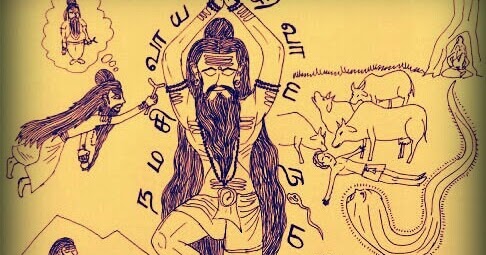
In the annals of Siddha lore, one captivating tale recounts the journey of Adishankar, a revered Siddhar of great wisdom and purpose. At the tender age of 30, he ventured to the illustrious Mandala City, seeking the counsel of its esteemed Guru Mandala. Despite their age disparity, Mandala embraced Adishankar as a son. Eager to partake in the Dhargam competition, Adishankar proposed Mandala’s wife, Bharathi, as the impartial judge.
In this Dhargam, where Brahma Gnanam was the subject, Adi Shankar emerged victorious under the judgment of Mandala’s wife, Bharathi. However, she revealed that winning only half of Mandala was insufficient; Adishankar must answer her question on Kamavaasanai to claim full victory.
Adi Shankar, a Katta Brahmachari, could not answer. Undeterred, Adi Shankar sought six months to unravel this mystery. Thus, employing the esoteric technique of Koodu Vittu Koodu Paaithal, he transcended the boundaries of his existence, merging his soul with that of a king to experience the realms of desire.
Upon his return, armed with newfound wisdom, Adi Shankar stood ready to meet Bharathi’s challenge. However, to his surprise, Bharathi, recognizing his sincerity and resolve, declared him the victor and asked him to take her and his husband mandala as his disciples.
The Sacred Responsibility of Mystic Knowledge:
The tale of Adi Shankar’s journey into the depths of Koodu Vittu Koodu Paaithal underscores the profound responsibility that comes with wielding such mystical knowledge. It is a reminder that power, when wielded with purpose and integrity, can illuminate the path of enlightenment.
Yet, the secrecy surrounding techniques like Koodu Vittu Koodu Paai serves as a safeguard against misuse and exploitation. Only those deemed worthy and mature by their gurus are entrusted with such profound wisdom, ensuring that it remains a force for good in the hands of the righteous.