In the hustle and bustle of modern life, many of us often find ourselves pondering the significance of visiting temples. What are these sacred spaces’ purposes, and how do they contribute to our spiritual journey? In this guide, we delve deep into the yogic secrets behind temple visits, exploring their symbolism, rituals, and transformative potential.
The Temple as a Symbol of the Human Body:
In the vast tapestry of the Hindu calendar, approximately 10 to 15 days each month are dedicated to temple visits, coinciding with auspicious occasions such as Sashti and Ekadasi. These dates are meticulously chosen, resonating with unique energies and divine vibrations, carefully calibrated by ancient sages known as Siddhars.
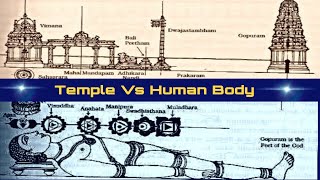
Central to understanding the sanctity of temple visits is recognizing the temple as a microcosm of the human body. The term ‘Kovil’ or temple encapsulates this concept, with ‘Ko’ signifying ‘king’ and ‘Vil’ translating to ‘residence’. Thus, the temple symbolizes the abode of the divine, mirroring the intricate architecture of the human form.
Unlocking the Divine Light:
Within every individual lies a divine spark, often described as a subtle energy residing between the eyebrows. However, accessing this divine light can be a challenge for the uninitiated.
Within the temple structure lies a profound symbolism: as you enter, you encounter the gopuram, then the kodimaram and palipeedam, before crossing gateways to reach the karuvarai, where the deity resides. Flanking the karuvarai are statues of dvarabalargal, guardians of this sacred space. This architectural journey mirrors the journey within ourselves, leading to the discovery of the divine residing within. Visiting a temple serves as a preparatory ritual, a rehearsal for delving into the divine presence within us.
The Ritual of Circumambulation:
When we visit the temple, we circle the temple from the left side to the right side (clockwise) before worshiping the god. In our body, the nose has two dvaras: the right side is called suryakalai, and the left side dvara is called chandrakalai. The breath comes from these two dvaras, which are called sudumunai. When the breath occurs through the left side, humans tend to be loving and compassionate, and they will have confidence in doing things. When humans intend to dominate or order, the breath process will occur on the right side. Most leaders will have this trait.
When the breath occurs in sudumunai, this period is called pradhosa period. When we circle the temple from left to right, our breath process us will change from right to left.
Aligning with Cosmic Energies:
As we approach the sanctum sanctorum, our eyes are drawn to the karuvarai, where a divine connection awaits. At the pinnacle of the temple, the towering kumbam acts as a conduit for cosmic energies. Suspended from the pinnacle of the temple, a copper wire gracefully extends, channeling cosmic energy from the kumbam to the deity’s abode.
The temple channels these energies into the sanctum sanctorum, where they are harnessed through rituals and offerings. These sacred offerings allow devotees to imbibe the cosmic energy, rejuvenating their spiritual essence.
Our body is like a recharging unit and we should visit the temple to absorb the energy by making a connection with it.
Conclusion:
Temple visits transcend mere religious observance; they are a journey of self-discovery and spiritual rejuvenation. By understanding the yogic secrets embedded within these sacred spaces, seekers can unlock the transformative power of divine connection. As we embark on this timeless pilgrimage, may we find solace, inspiration, and illumination in the temple’s sanctity.