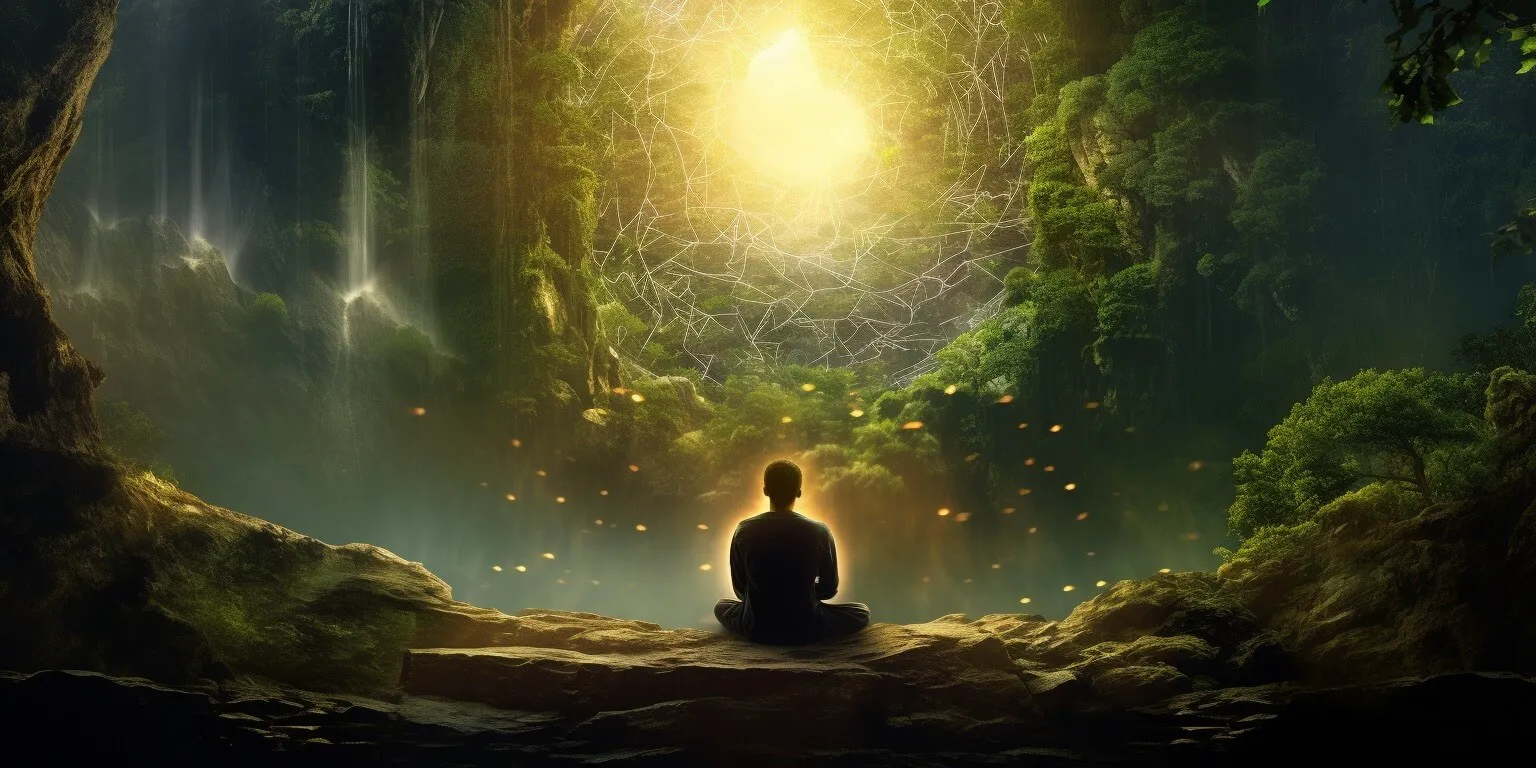
Meditation should not be seen as merely an exercise or a task; it is a profound phenomenon. Just as a seed naturally grows into a plant in the right environment, our body serves as the medium for meditation, with the mind playing a crucial role.
The Natural Emergence of Meditation
When you declare that you are going to meditate, it may never truly happen. Meditation cannot be forced or scheduled like an appointment. Instead, it should emerge naturally, much like a plant sprouting in a nurturing environment. Imagine a place free from external distractions and filled with silence. In such a setting, meditation can occur spontaneously, even without assuming a traditional meditative posture.
Integrating Meditation into Daily Life
Meditation should become an integral part of your daily routine. Every activity, no matter how small or mundane, can be transformed into an act of meditation. The key lies in performing each task with complete focus and awareness. When you engage in this manner, you are meditating.
The Mindless State
One of the many explanations of meditation is achieving a mindless state. This does not mean being devoid of thought, but rather reaching a state where the mind is free from distractions and fully present in the moment. This state of complete awareness and concentration, whether while washing dishes or walking in the park, is the essence of meditation.
Moving Towards the Divine
By maintaining this state of focused awareness in all your activities, you gradually move towards the divine and connect with the universe. Meditation becomes a bridge to a higher state of consciousness, fostering a deeper connection with the world around you.
Conclusion
Meditation is not just a practice to be confined to specific times or places. It is a phenomenon that should permeate every aspect of your life. By transforming every action into an opportunity for meditation, you cultivate a continuous state of mindfulness and awareness, ultimately leading to a deeper, more harmonious existence.